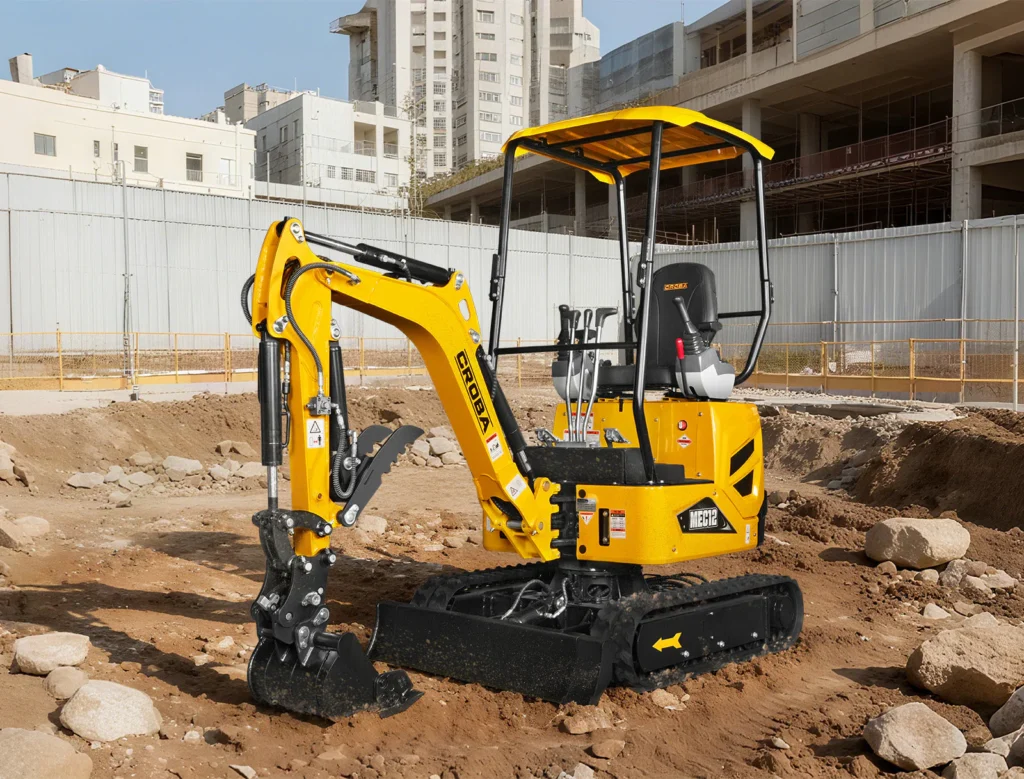
Operating in muddy conditions can quickly accelerate wear on tracks and sprockets. Soil, clay, and stones embed between components, increasing friction and stressing undercarriage systems. Daily cleaning is critical to maintain performance, prevent costly repairs, and extend machine life. For operators, consistent attention to track debris reduces downtime and keeps equipment operating at peak efficiency.
Muddy conditions trap debris in sprocket teeth, track links, and rollers. Over time, compacted dirt increases wear on metal surfaces, accelerates chain elongation, and can even damage rollers. When machines operate with clogged tracks, stress on the undercarriage rises, leading to higher fuel consumption and uneven track movement. Daily inspection and cleaning remove harmful debris before it causes irreversible damage.
Practical cleaning steps start with visual inspections at the beginning and end of each shift. Check sprockets, rollers, and track chains for mud buildup or foreign objects. Use water pressure or air tools to remove compacted soil. Ensure all debris is cleared from the drive sprocket and idler areas. Focus on corners, gaps, and under-rollers, where mud tends to accumulate the most. Consistent cleaning prevents debris from hardening and reduces wear caused by abrasion during operation.
Regular cleaning also allows early detection of wear patterns. Operators can spot loose bolts, damaged rollers, or worn sprocket teeth before they compromise performance. Early intervention reduces repair costs and prevents unplanned downtime. Proper cleaning paired with lubrication ensures smooth movement and protects seals from premature failure.
In addition, operator awareness plays a major role. Adjusting machine speed and avoiding excessive pivoting on soft or wet terrain limits debris accumulation. Periodic removal of heavy buildup during extended shifts keeps undercarriage components running smoothly. Combining preventive cleaning with proper operating techniques ensures maximum component longevity in challenging conditions.
In conclusion, daily debris cleaning is essential for machines working in muddy or soft ground. Removing dirt and stones from sprockets, tracks, and rollers reduces wear, extends service life, and improves operational efficiency. Operators who integrate these practices save on maintenance costs and protect equipment reliability. Request detailed undercarriage maintenance guides, compatible cleaning tools, and replacement part specifications to maintain peak performance.
Fulian Operation Team
2026.2.9