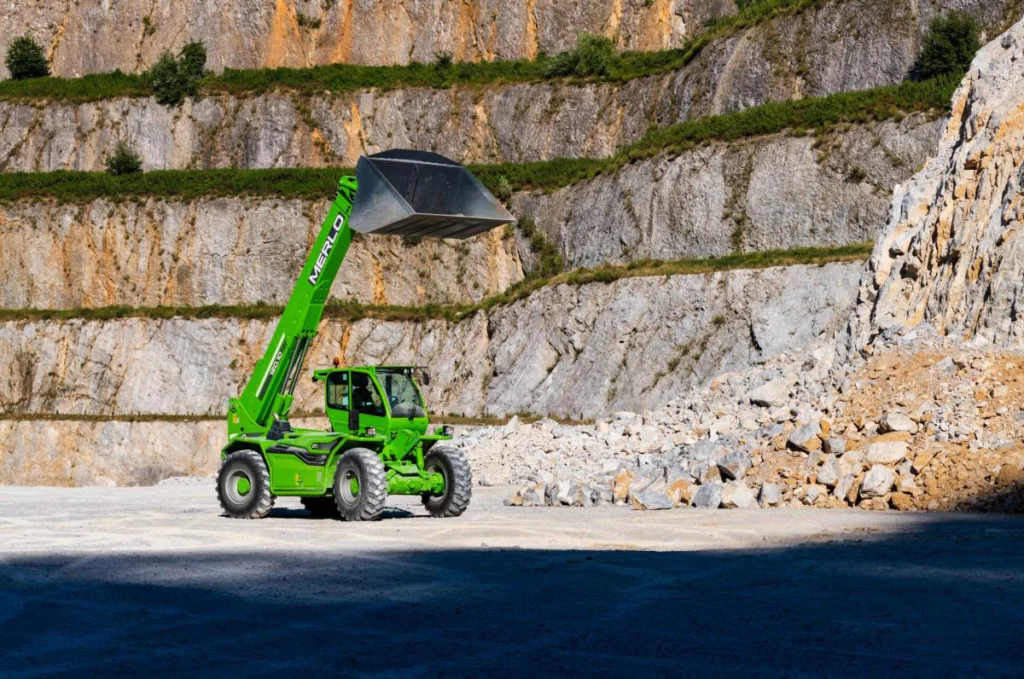
ConExpo 2026 sets a new tone for material handling. Telehandlers move beyond simple lifting. Smarter control. Better stability. Lower energy waste. For contractors and fleet owners, this shift matters. Every lift affects safety. Every movement affects cost. New telehandler concepts answer real jobsite pressure.
Users now demand more than reach and capacity. They want precision. Smooth hydraulics. Fast response. Predictable control. Modern worksites leave no room for hesitation. Tight spaces. Mixed crews. Short project cycles. Telehandlers must perform like skilled operators, not basic machines.
One major change appears in hydraulic system design. Advanced load-sensing control reduces energy loss. Flow matches demand. Less heat buildup. Lower fuel use. Operators feel smoother boom motion. Less shock during lifting. This protects forks, attachments, and frames. It also extends component life. For users, this means fewer repairs and better uptime.
Visibility and control also gain focus. Redesigned cabins improve sightlines. Digital displays show load status in real time. Operators avoid guesswork. Overload risk drops. Confidence rises. These improvements reduce training time and operator fatigue. Productivity improves without pushing machines harder.
Another key trend is modular design. Telehandlers now support faster attachment changes. Forks. Buckets. Work platforms. One machine covers more tasks. Rental fleets benefit most. Contractors reduce equipment count. Maintenance teams manage fewer parts. This flexibility drives purchasing decisions in 2026 and beyond.
Durability remains critical. Stronger boom structures. Improved pin interfaces. Reinforced axles. These upgrades handle heavier cycles common on infrastructure sites. Poor build quality leads to downtime. Missed deadlines. Cost overruns. Buyers now look for proven manufacturing processes. Heat treatment control. Precision machining. Strict testing standards. These factors define long-term value.
Efficiency also extends to service access. Simplified maintenance points. Clear inspection zones. Faster daily checks. This saves labor hours. Prevents hidden failures. Fleet managers appreciate machines that respect maintenance reality.
From the user view, innovation is only useful when it delivers stable performance. Not marketing language. Real gains show in smoother operation. Lower fuel bills. Longer service intervals. Safer lifts. Reliable output day after day.
Conclusion: Telehandler innovation presented around ConExpo 2026 reflects real market demand. Smarter hydraulics. Safer control. Stronger structures. Flexible configurations. These changes support higher productivity and lower ownership cost. For contractors planning upgrades or fleet expansion, now is the right time to review options, compare specifications, and request professional recommendations and pricing built for demanding jobsites.
Fulian Operation Team
2026.1.26