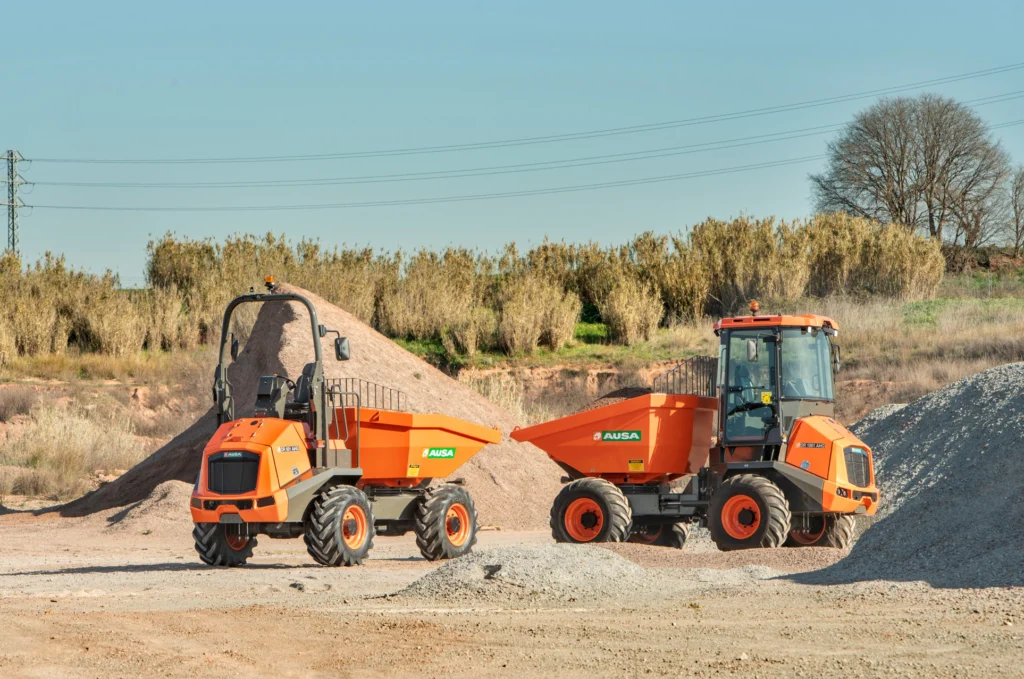
The announcement that JLG has rebranded Ausa compact equipment as JLG Ausa signals more than a simple name change. It reflects a strategic move to unify product lines, strengthen global identity, and improve market visibility in the compact equipment sector. For buyers, fleet managers, and distributors, this transition represents expanded product support, stronger brand backing, and clearer model positioning.
From a customer perspective, brand alignment matters. When compact dumpers, rough terrain forklifts, and telehandlers carry the JLG Ausa name, they benefit from the global recognition and distribution strength of JLG. This provides greater confidence in long term parts availability, service network coverage, and technical support. Equipment purchasing decisions often depend on reliability of after sales service as much as machine specifications. A unified brand improves that trust.
The introduction of new model names further supports this strategy. Clear naming structures simplify product identification. Easier comparison across load capacities, lifting heights, and engine configurations. Buyers save time during selection. Dealers reduce confusion in inventory management. Consistent naming enhances online visibility and SEO performance, helping contractors quickly locate the right machine category.
Compact equipment demand continues to grow in urban construction, landscaping, municipal projects, and rental fleets. These sectors require machines with maneuverability, durability, and low operating cost. JLG Ausa positioning focuses on compact dimensions, strong load capacity, and reliable drivetrain systems. Improved hydraulic performance and stable chassis design enhance productivity on tight job sites. Buyers benefit from equipment that balances power and efficiency without excessive fuel consumption.
Global supply chain strength is another key advantage. Integration under the JLG Ausa brand improves manufacturing coordination and quality control standards. Standardized component sourcing increases consistency across models. Stronger procurement systems reduce delivery lead times. For customers, this means predictable supply schedules and better availability of wear parts and replacement components.
Service support remains a major consideration. A broader international distribution network ensures faster spare parts access. Technical documentation aligned under one brand simplifies training and maintenance. Rental companies and contractors value quick turnaround on service requests. Reduced downtime translates directly into higher project profitability.
For distributors and fleet owners exploring compact equipment expansion, this rebranding reflects long term commitment to the segment. It shows investment in innovation, model development, and global integration. Stronger branding improves resale value and enhances buyer confidence in long term equipment support.
In conclusion, the transition to JLG Ausa represents strategic consolidation, clearer product identity, and strengthened market presence. Buyers gain from unified branding, improved service access, and consistent model structures. For contractors, rental companies, and equipment dealers evaluating compact machinery options, now is the time to request detailed specifications, updated model catalogs, and pricing information. Secure competitive quotations and explore how JLG Ausa compact equipment can support your operational growth.
Fulian Operation Team
2026.1.16