Bottom rollers carry the full working weight of tracked machines. They run in dirt, mud, stone, heat, and water every day. Wear starts quietly. Damage grows fast. A short visual check can stop a small issue from turning into a full undercarriage repair. Many operators skip this step. Costly downtime follows.
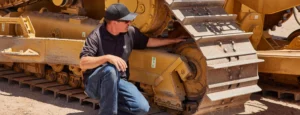
The first check starts with machine stance. Park on flat ground. Look from the side. Uneven track sag often signals early roller wear. One low section means a roller no longer carries load correctly. This usually comes from internal wear or seal failure. Spotting it early saves the rest of the rollers from overload.
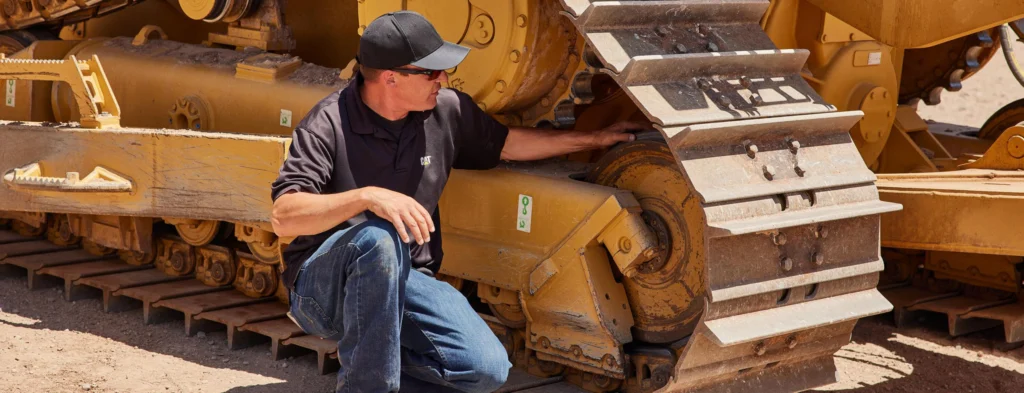
Next comes roller surface inspection. Clean mud with water or air. Look for flat spots, pitting, or uneven shine. A healthy bottom roller shows smooth, even wear. Bright rings or sharp edges suggest metal contact. This often means lubrication loss. Continued operation accelerates wear on track links and bushings.
Seal condition tells another story. Check both sides of the roller. Oil stains or wet dirt around the seal area are warning signs. Leaking seals allow contamination inside. Once dirt enters, bearing life drops fast. Replacing one roller early costs far less than replacing a full track set later.
Check roller alignment. Stand behind the track. Look along the roller line. A roller sitting slightly out of line often means shaft wear or bracket deformation. This creates side loading on the track. Side loading causes faster wear on flanges and links. Visual misalignment is easy to see and often ignored.
Listen during slow travel. A worn roller produces clicking or grinding sounds. Vibration through the frame is another clue. These signals appear before total failure. Operators who pay attention catch problems early and avoid sudden breakdowns on site.
From the user point of view, visual checks mean control. Five minutes before a shift protects thousands in parts and labor. Planned replacement beats emergency repair. Machines stay productive. Schedules stay intact. Maintenance budgets stay predictable.
High-quality bottom rollers are designed for early detection. Consistent wear patterns. Stable seals. Forged shells with uniform hardness. These features allow wear to show clearly instead of failing without warning. Precision manufacturing and strict inspection make this possible. Strong suppliers invest heavily in these processes.
Conclusion: Early bottom roller wear is visible long before failure. Uneven sag, surface damage, seal leaks, alignment shifts, and abnormal noise are clear signals. Quick daily checks turn small findings into smart decisions. If you need durable bottom rollers built for long service life or want help selecting the right parts for your machine and working conditions, reach out now for technical advice and a fast quotation.
Fulian Operation Team
2026.1.19