Construction productivity is not only about having powerful machines. It is also about how efficiently those machines are operated every day. A few seconds saved during each work cycle can create significant improvements over hundreds of operating hours. Better operating habits can help contractors move more material, reduce fuel consumption, lower maintenance costs, and improve overall project efficiency.
From an operator’s perspective, cycle time directly affects daily performance. Whether running an excavator, wheel loader, dozer, or compact track loader, every unnecessary movement increases operating costs. Longer swings, poor machine positioning, excessive idling, and inefficient attachment use can reduce productivity without operators even noticing.
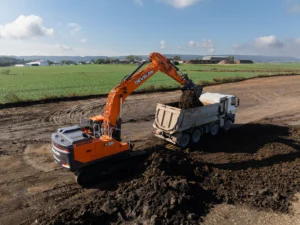
Understanding the complete work cycle is the first step toward improvement. For excavators, this includes digging, lifting, swinging, dumping, and returning to position. For loaders, it includes loading, traveling, dumping, and returning. Reducing unnecessary movements helps machines complete more tasks in less time.
Machine positioning plays an important role in reducing wasted effort. A properly positioned machine can shorten travel distances, improve attachment angles, and create smoother operation. Better positioning also reduces stress on hydraulic systems, tracks, and other major components.
Attachment selection is another key factor. Using the correct bucket size, hydraulic attachment, or work tool allows machines to operate closer to their ideal performance range. The wrong attachment can increase cycle times, require additional passes, and create unnecessary wear.
Smooth operation also helps reduce long-term costs. Aggressive turning, sudden braking, excessive track spinning, and improper hydraulic use can accelerate wear on critical components. These operating habits can increase stress on undercarriage parts such as track chains, rollers, idlers, and sprockets.
Regular machine inspections are essential for maintaining productivity. Operators should check track tension, hydraulic leaks, fluid levels, attachment connections, and visible component wear before starting work. Early detection of small problems can prevent expensive repairs and unexpected downtime.
Undercarriage maintenance deserves special attention for tracked equipment. Worn rollers, damaged sprockets, or incorrect track tension can reduce machine efficiency and increase fuel consumption. Keeping the undercarriage in good condition helps maintain stability, traction, and smoother operation.
For fleet owners, operator training is a valuable investment. A practical operator guide can help standardize working methods across different machines and job sites. Consistent operating habits improve productivity and make equipment performance easier to manage.
The goal is not simply to make machines work faster. The goal is to maximize useful work while protecting equipment reliability. Efficient operation, regular maintenance, and quality replacement parts work together to reduce costs and extend machine life.
At FL Machinery, we provide reliable excavator, loader, and dozer parts for contractors, dealers, and distributors worldwide. With in-house casting, CNC machining, heat treatment, and large production capacity, we focus on delivering durable components that help keep heavy equipment working efficiently.
If you need dependable undercarriage parts, hydraulic components, or replacement solutions for your construction equipment, contact us with your machine model or part number. Our team is ready to provide professional support and competitive quotations.
Fulian Operation Team
2026.9.7