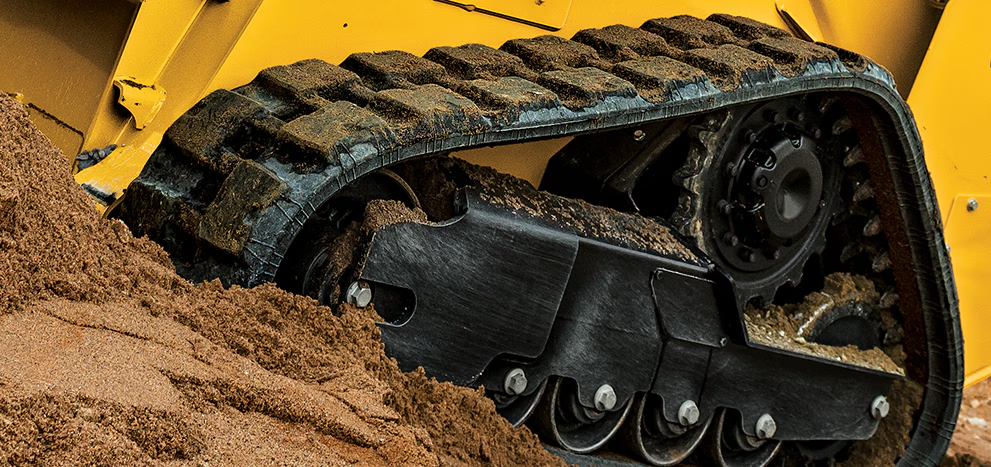
Rubber tracks work hard every day. Mud, gravel, sand, clay, asphalt chips, steel fragments, frozen soil. All of it enters the undercarriage. When debris stays inside, wear accelerates. Rollers grind. Sprockets deform. Track lugs tear. Many machine owners replace parts too early without knowing the real cause. Daily debris removal changes everything.
Operators notice the difference immediately. Cleaner tracks run quieter. Smoother travel. Lower vibration. Less heat. Less friction. These simple daily habits protect expensive components and keep machines productive longer.
Debris causes constant micro-damage. Small stones wedge between sprocket teeth. Fine sand works like sandpaper on roller seals. Wet clay hardens overnight. Frozen material expands inside the frame. All of this forces rubber tracks to stretch unevenly. Tension becomes unstable. Rollers carry unbalanced loads. Sprockets lose their proper contact pattern. Premature wear begins.
Daily cleaning prevents this chain reaction. End-of-shift washdown works best. Low pressure water removes loose soil. Medium pressure removes compacted mud. Pay attention to sprocket teeth pockets. Clean between track lugs. Clear roller flanges. Remove material from the carrier roller area. No complicated tools required. Just consistency.
Cold climates need extra care. Ice inside the undercarriage creates extreme pressure during startup. Breaking ice before operation avoids seal failure. Heat buildup after frozen debris breaks free damages rubber compounds. Simple pre-shift inspection prevents these problems.
Construction debris presents another risk. Asphalt chips stick to rubber tracks and soften compounds. Concrete dust acts as abrasive paste. Steel shavings damage seals. Removing this material daily protects track structure and bearing surfaces.
Jobsite conditions vary. Quarry operations introduce sharp stone. Forestry sites add bark, roots, wood chips. Demolition sites create metal debris. Agriculture produces sticky clay. Every environment benefits from daily cleaning. The practice adapts easily to all applications.
Maintenance teams track the results. Longer roller life. Extended sprocket tooth profile. Fewer seal leaks. More stable track tension. Reduced downtime. Lower total cost per hour. The financial impact becomes obvious within months.
Operators appreciate easier machine control. Clean tracks grip better. Reduced slippage. More precise turning. Improved fuel efficiency. Less strain on hydraulic motors. A cleaner system moves power more efficiently from the drivetrain to the ground.
This level of performance requires strong components designed for harsh conditions. Precision manufacturing. High-grade seals. Heat-treated sprockets. Reinforced rollers. Quality materials matched with proper daily care deliver the longest service life.
In conclusion, daily rubber track debris removal remains one of the most cost-effective maintenance actions available. It protects rollers, sprockets, tracks, and the entire undercarriage system. Machines last longer. Operating costs drop. Productivity increases. For owners seeking stronger undercarriage performance and long-term savings, professional consultation and quality replacement solutions make the next step toward better fleet results.
Fulian Operation Team
2025.12.29