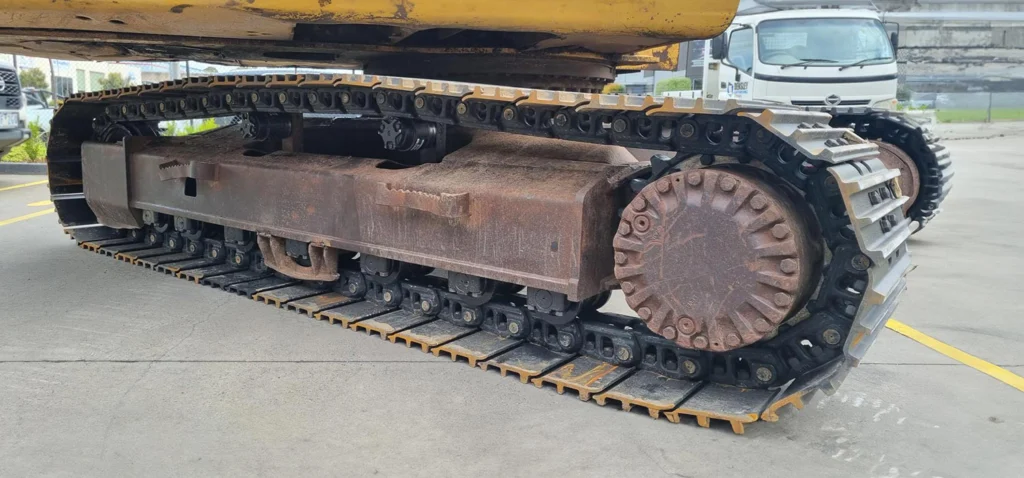
Steel tracks have long been a standard choice for construction machinery, offering durability and strength under tough working conditions. However, like all equipment choices, they come with their own set of advantages and disadvantages. Understanding the pros and cons of steel tracks is crucial for operators looking to maximize performance and minimize downtime. In this article, we explore both the benefits and potential drawbacks of using steel tracks on construction machinery.
Why Choose Steel Tracks?
Steel tracks are often the go-to option for heavy-duty construction projects, such as excavation, mining, and roadwork. Their ability to handle extreme loads, rugged terrains, and demanding conditions make them a popular choice for operators who require reliability and strength. However, while they offer a number of benefits, it’s essential to consider all factors before deciding if steel tracks are right for your equipment.
The Pros of Steel Tracks
- Durability and Strength
Steel tracks are built to last. Unlike rubber tracks, which can wear out faster on rough or abrasive surfaces, steel tracks are known for their exceptional durability. They can withstand heavy loads, rough terrains, and harsh environments, making them ideal for construction projects that demand high performance and longevity. - Improved Traction
Steel tracks provide superior traction compared to other types of tracks, especially on loose, muddy, or uneven surfaces. The steel components help maintain grip and stability, even in challenging conditions. This is particularly beneficial when working on construction sites with loose soil or in wet weather. - Cost-Effectiveness in the Long Run
While steel tracks may come with a higher upfront cost, their long lifespan often results in lower overall maintenance costs. They require less frequent replacement compared to rubber tracks, making them a cost-effective choice for heavy-duty projects where machinery is expected to endure rough conditions for extended periods. - Better Weight Distribution
Steel tracks help distribute the weight of machinery evenly across a larger surface area, reducing the pressure on the ground beneath. This makes them especially effective in soft or unstable soil, where the risk of sinking or getting stuck is higher. This feature can improve mobility on challenging terrains.
The Cons of Steel Tracks
- Higher Noise Levels
One of the biggest downsides of steel tracks is the noise they produce during operation. The metal-on-metal contact can generate significant noise, which can be a concern on urban job sites or in residential areas where noise regulations are stricter. - Increased Ground Damage
Steel tracks can be hard on the surface beneath, especially in delicate environments like paved roads or landscaped areas. The rigidity and sharp edges of the steel can cause damage to the ground, making them less ideal for use on surfaces that need to remain intact. - Lower Ride Comfort
Due to their rigid construction, steel tracks can provide a rougher ride compared to rubber tracks. This can lead to increased operator fatigue and discomfort, especially on longer shifts. For tasks that require precision or long periods of operation, a smoother ride might be more beneficial. - Corrosion Risks
Steel tracks are prone to rust and corrosion, particularly if exposed to water or other corrosive elements for extended periods. Without regular maintenance and proper care, steel tracks can degrade over time, leading to reduced performance and potential failures. Operators must ensure that steel tracks are regularly cleaned and maintained to prevent this issue.
Which Is Right for You?
The choice between steel and rubber tracks depends on your specific needs. Steel tracks excel in extreme conditions where durability and traction are paramount, especially on construction sites dealing with heavy machinery, wet conditions, or rough terrain. However, if your worksite involves delicate surfaces or noise restrictions, rubber tracks might be a better option.
Why Choose Us?
We offer high-quality steel tracks designed for maximum durability and performance in the toughest environments. Our tracks are engineered to provide exceptional traction and reliability, ensuring that your equipment operates smoothly and efficiently, even in the harshest conditions. Contact us today for a quote or to discuss the best track options for your machinery.
Fulian Operation Team
2026.4.13