Construction equipment is moving into a new era where machines are no longer just mechanical power units. They are becoming connected systems with real-time data, automation support, and predictive intelligence. In this direction, Case Construction Equipment has previewed RoofX, described as a “digital brain” that can be integrated across different types of construction equipment.
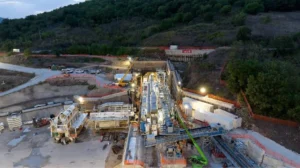
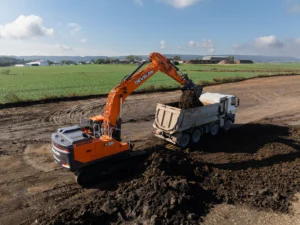
From an operator perspective, construction sites are complex environments. Machines work under variable loads, unpredictable terrain, and tight deadlines. Excavators, dozers, loaders, and compact machines often operate together in coordinated workflows. Any delay or machine failure can disrupt the entire project schedule. RoofX aims to improve decision-making and machine coordination through data-driven insights.
The core idea behind RoofX is centralized intelligence. Instead of each machine operating independently, equipment can share performance data such as fuel consumption, hydraulic load, engine status, vibration patterns, and operator behavior. This information helps identify inefficiencies and potential issues before they become failures.
Predictive maintenance is one of the most important advantages of this system. Equipment downtime is one of the biggest cost drivers in construction. By analyzing early warning signals from sensors, RoofX can help identify wear patterns in components such as hydraulic pumps, undercarriage systems, engine parts, and final drives. This allows maintenance teams to act before breakdowns occur.
Fleet management efficiency also improves significantly. Contractors managing multiple machines across different job sites often struggle with utilization tracking and operational planning. A digital intelligence layer can provide real-time visibility into machine location, working hours, idle time, and productivity output. This leads to better resource allocation and reduced equipment waste.
Operator performance is another key area of improvement. Machine data can highlight inefficient operating patterns such as excessive idling, aggressive hydraulic use, or improper load handling. Training can then be adjusted to improve efficiency and reduce fuel consumption. Over time, this creates more consistent job site performance.
Fuel efficiency is also closely linked to machine intelligence. Optimized engine load management and hydraulic control can reduce unnecessary fuel burn. Even small percentage improvements in fuel usage can lead to significant cost savings for large fleets operating across long project timelines.
Safety is another critical benefit. Real-time alerts can help detect overheating, hydraulic pressure anomalies, or structural stress conditions. This allows operators to respond quickly and avoid potential equipment damage or unsafe working conditions.
From a business standpoint, the RoofX concept reflects a major shift in construction technology. Equipment manufacturers are no longer focused only on mechanical performance. Digital integration, connectivity, and data analytics are becoming equally important as horsepower and digging force.
For contractors, this evolution means higher productivity and lower operating risk. Machines are becoming more predictable, easier to manage, and more cost-efficient over their lifecycle. This is especially valuable in large infrastructure projects where downtime and inefficiency can lead to significant financial impact.
Even with advanced digital systems, traditional machine components remain essential. Undercarriage systems, hydraulic circuits, engine assemblies, and wear parts still determine overall machine reliability and performance in real working conditions.
The CASE CE RoofX preview highlights how construction equipment is evolving toward intelligent, connected, and data-driven operations that support smarter decision-making on modern job sites.
If you are looking for reliable undercarriage parts, hydraulic components, or heavy equipment support solutions, feel free to reach out for more details or inquiries!
Fulian Operation Team
2026.6.8